
Custom Lighting Solutions for Commercial Spaces

Updated: Mar 4
In the world of commercial design, lighting plays a pivotal role in shaping the atmosphere and functionality of a space. Custom lighting solutions can transform ordinary environments into extraordinary experiences, enhancing both aesthetics and productivity. Whether you are designing a retail store, a restaurant, or an office, the right lighting can make all the difference.
Understanding the Importance of Lighting
Lighting is not just about visibility; it influences mood, behavior, and even sales. Studies have shown that well-designed lighting can increase customer satisfaction and encourage longer visits. For instance, a restaurant with warm, inviting lighting can create a cozy atmosphere that encourages diners to linger over their meals, while a retail store with bright, focused lighting can highlight products and drive sales.
Key Benefits of Custom Lighting Solutions
Enhanced Aesthetics
Custom lighting can accentuate architectural features and create a unique ambiance that reflects your brand's identity.
Improved Functionality
Tailored lighting solutions can enhance the functionality of a space, ensuring that areas are well-lit for their intended purposes.
Energy Efficiency
Modern lighting technologies, such as LED, can significantly reduce energy consumption, leading to lower utility bills and a smaller carbon footprint.
Flexibility
Custom lighting solutions can be adapted to different settings and occasions, allowing for easy transitions between various functions.
Increased Safety
Properly designed lighting can improve visibility and safety, reducing the risk of accidents in commercial spaces.
Types of Custom Lighting Solutions
When it comes to custom lighting, there are several types to consider, each with its unique advantages.
Ambient Lighting
Ambient lighting provides overall illumination for a space. It is essential for creating a comfortable environment. Examples include:
Recessed Lighting: Installed into the ceiling, providing a clean look.
Ceiling Fixtures: Chandeliers or pendant lights that serve as focal points.
Task Lighting
Task lighting is focused on specific areas where activities take place, such as reading or working. Examples include:
Desk Lamps: Adjustable lamps that provide direct light for workspaces.
Under-Cabinet Lighting: Lights installed under cabinets in kitchens or work areas to illuminate countertops.
Accent Lighting
Accent lighting highlights specific features or areas, adding depth and interest to a space. Examples include:
Track Lighting: Adjustable fixtures that can be directed to highlight artwork or architectural details.
Wall Sconces: Decorative fixtures that add character while providing additional light.
Decorative Lighting
Decorative lighting serves as a design element in itself. It can enhance the aesthetic appeal of a space. Examples include:
Statement Chandeliers: Large, eye-catching fixtures that serve as focal points.
Artistic Light Installations: Unique designs that double as art pieces.
Choosing the Right Lighting for Your Space
Selecting the right lighting solution involves understanding the specific needs of your space. Here are some factors to consider:
1. Purpose of the Space
Identify the primary function of the area. For example, a retail store may require bright, focused lighting to showcase products, while a restaurant may benefit from softer, ambient lighting to create a relaxed atmosphere.
2. Design Aesthetics
Consider the overall design theme of your space. The lighting should complement the decor and architecture. For instance, a modern space may benefit from sleek, minimalist fixtures, while a vintage-inspired area may call for ornate chandeliers.
3. Energy Efficiency
Opt for energy-efficient lighting solutions to reduce costs and environmental impact. LED lights are a popular choice due to their longevity and low energy consumption.
4. Flexibility
Choose lighting solutions that can be easily adjusted or modified to accommodate different activities or events. Dimmer switches and adjustable fixtures can provide versatility.
5. Safety and Compliance
Ensure that your lighting solutions comply with safety regulations and standards. Properly lit spaces can prevent accidents and enhance security.
Case Studies: Successful Custom Lighting Implementations
Retail Store: Brightening the Shopping Experience
A local boutique implemented custom lighting solutions to enhance the shopping experience. By using a combination of ambient and accent lighting, they highlighted key merchandise while creating an inviting atmosphere. The result was a 30% increase in foot traffic and a noticeable boost in sales.
Restaurant: Setting the Mood
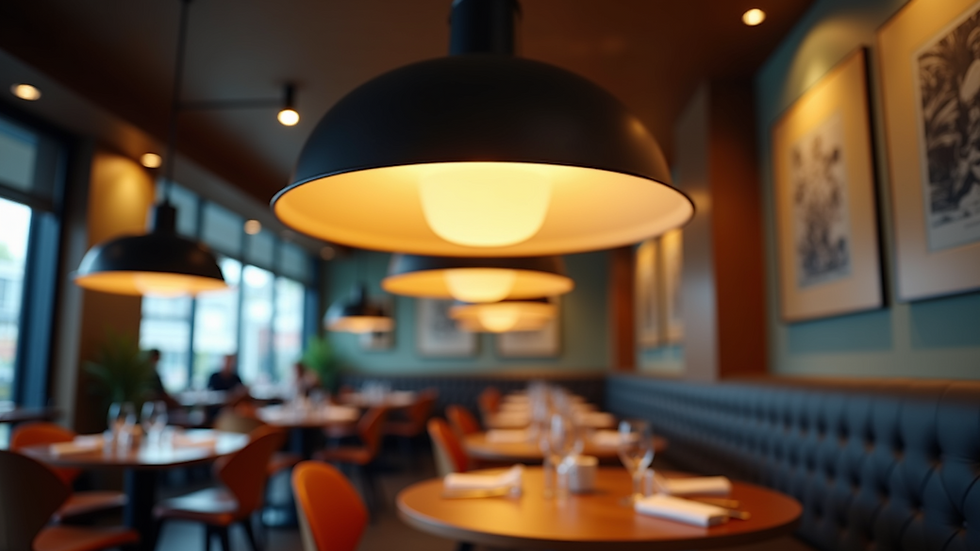
A new restaurant sought to create a cozy, intimate dining experience. They opted for warm, dimmable pendant lights above each table, complemented by wall sconces that added depth to the decor. Customer feedback indicated a significant increase in satisfaction, with many diners praising the ambiance.
Office Space: Boosting Productivity
An office renovation included custom lighting solutions designed to improve employee productivity. By incorporating task lighting at workstations and ambient lighting in common areas, the office created a more functional and enjoyable environment. Employee feedback showed a marked improvement in morale and productivity.
The Future of Commercial Lighting
As technology continues to evolve, so do lighting solutions. Smart lighting systems are becoming increasingly popular in commercial spaces, allowing for greater control and customization. These systems can adjust brightness and color temperature based on the time of day or occupancy, further enhancing energy efficiency and user experience.
Trends to Watch
Smart Lighting
Integration with IoT devices for automated control and energy savings.
Human-Centric Lighting
Designs that mimic natural light patterns to improve well-being and productivity.
Sustainable Solutions
Increased focus on eco-friendly materials and energy-efficient technologies.
Conclusion
Custom lighting solutions are essential for creating functional, inviting, and aesthetically pleasing commercial spaces. By understanding the different types of lighting, considering the specific needs of your space, and keeping up with emerging trends, you can significantly enhance the overall experience for both employees and customers.
Investing in the right lighting is not just about illumination; it’s about creating an environment that supports your business goals and resonates with your audience. As you plan your next project, remember that the right lighting can illuminate more than just a room; it can illuminate your brand's identity and values.


Comments